Hair Transformation: How Shaving Off Societal Expectations Taught Me True Femininity
We are told from early childhood that a woman’s crowning glory is her long, flowing hair. Society writes a very rigid, non-negotiable script for us: to be soft, desirable, and conventionally feminine, you must maintain at least shoulder-length locks. Long hair is viewed as the ultimate currency of female compliance.
But as a life coach, I often tell my clients that the moments we choose to radically alter our physical appearance are rarely about vanity. They are silent, profound revolutions. They are boundaries carved into our very skin and bone.
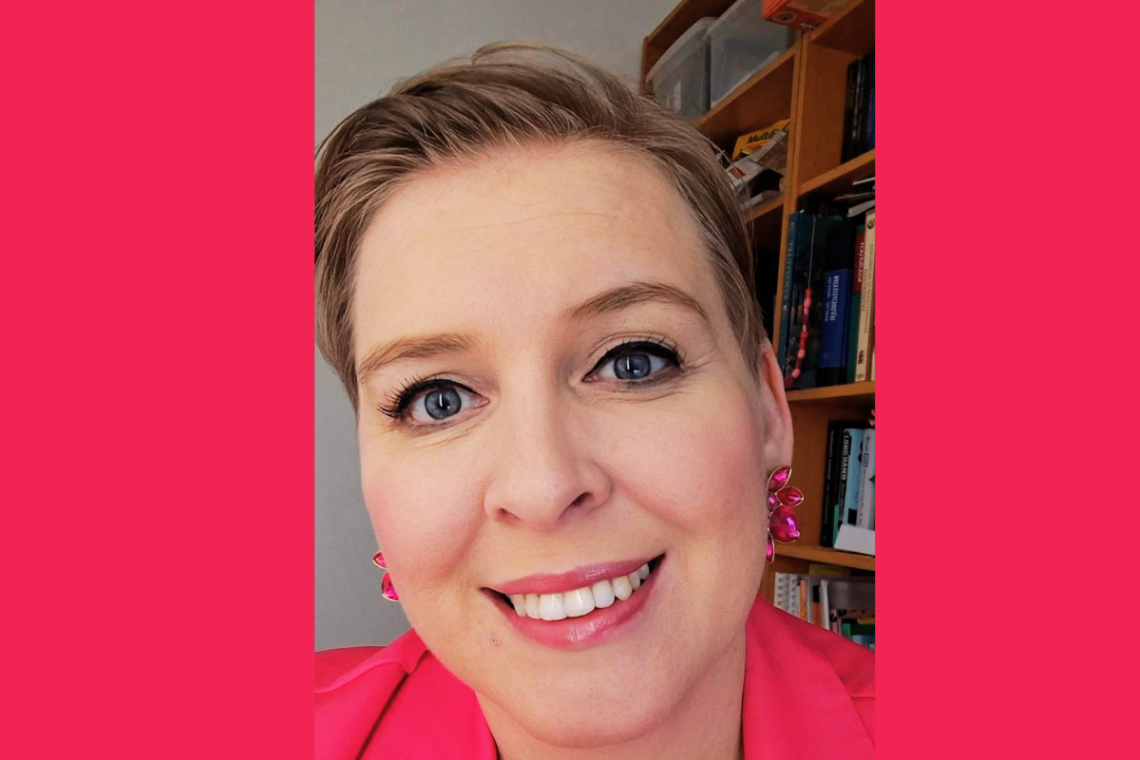
For years, I wore a short pixie haircut. I absolutely adored it. It felt light, sharp, and aligned with my internal frequency. But when emotional abuse enters a home, the predator always scans for the things that give you unique strength. My ex-husband began a systematic psychological assault on my appearance. “You look like a fat lesbian,” he told me, attempting to weaponise both my sexuality and my body image against me (even though my weight was entirely normal, carrying a mere 5 kilograms of temporary baby weight).
To keep the peace and avoid the toxic friction, I submitted. I began the long, tedious process of growing it out.
From Perms to the Toxic Dating Wilderness
When the hair finally reached a “long pixie” stage, I fiercely rebelled by having it cut into an asymmetrical shape. Later, as the extreme stress of our divorce, legal warfare, and sudden relocation began to take a toll on my body, my hair began to grease rapidly. In a pragmatic attempt to dry it out and inject some joy into our lives, I had it permed.
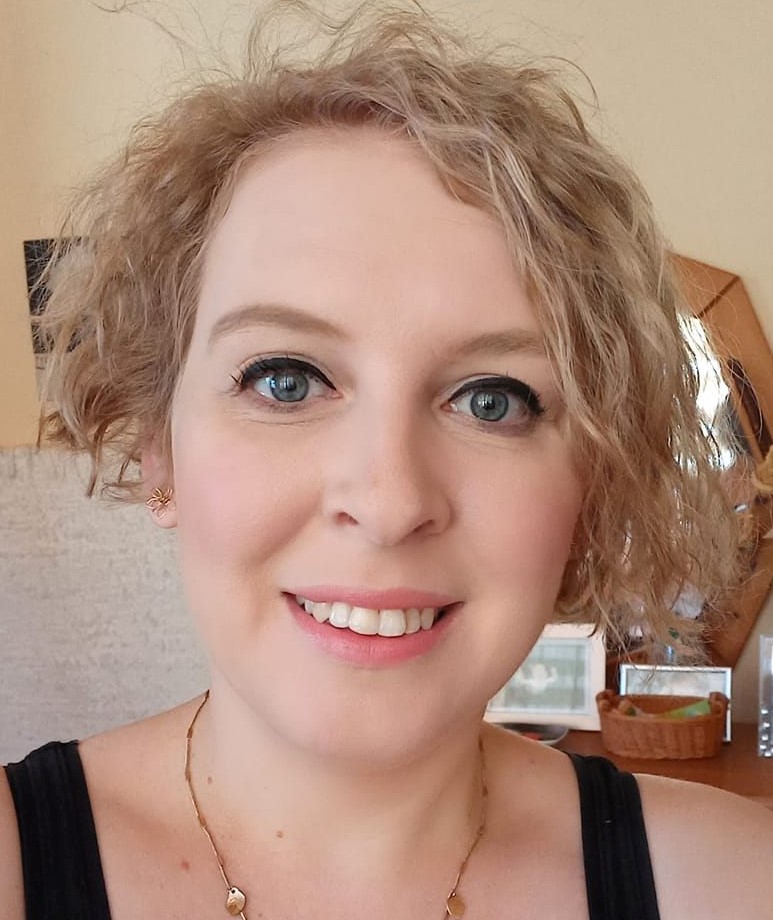
Those playful, cascading curls drew a massive amount of attention—both fiercely positive and deeply critical. But for me, that perm was a physical transition phase. It was the visual aesthetic of a new era: just my toddler daughter and me, building a clean, quiet sanctuary in our new home.
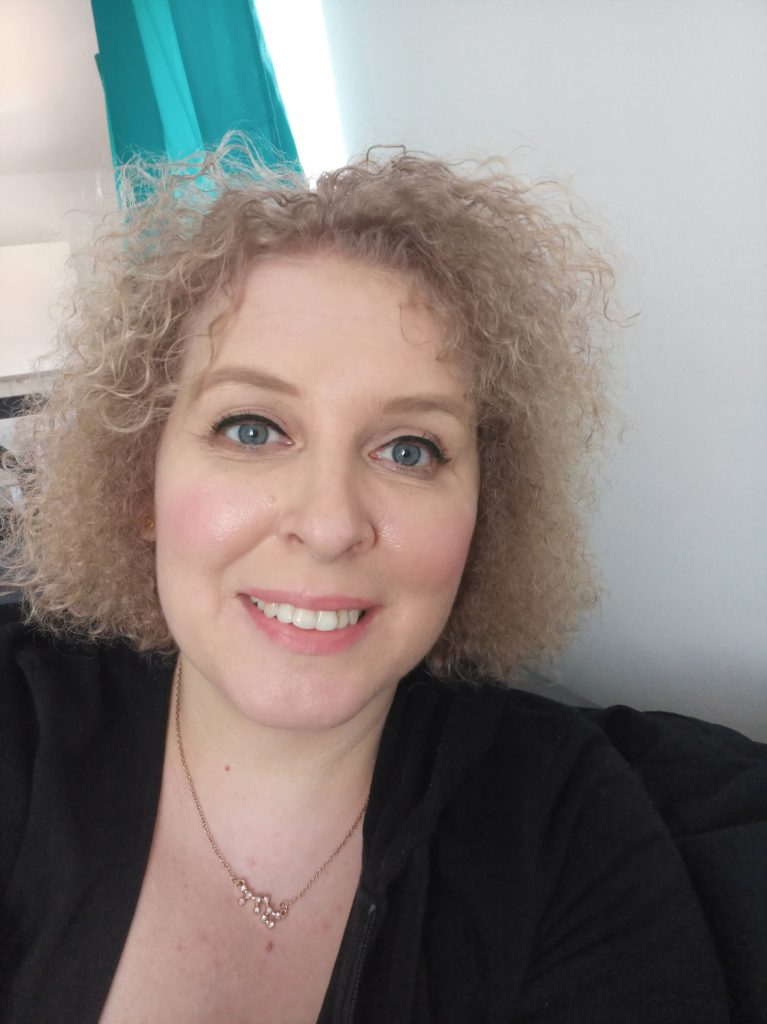
During this era, I also maintained a professional TikTok channel where I shared educational videos for English language learners. My presentation was always impeccable: well-defined curls, flawless makeup, and a structured outfit. This wasn’t a performance for the camera; it was my everyday reality. I look presentable whether I am recording a lecture or simply walking to the local grocery shop.
When I began dipping my toes into the modern online dating wilderness, a man I was getting to know asked to see my TikTok channel. After watching a professional educational video where I stood confident, made-up, and beautifully permed, he delivered his final verdict via text:
“I see you went all out on the marketing, you slut.”
I sat in absolute shock. It was a vicious, unprovoked verbal assault designed to do one thing: degrade my intellect, shame my femininity, and minimise my professional authority into a cheap, sexualized insult. A weak man will always feel fundamentally threatened by a woman who is polished, articulate, and visible. Since he cannot elevate himself to her level, his only survival strategy is to attempt to drag her down into the mud.
But here is the true harvest of my internal work: his venomous words did not take away a single ounce of my self-esteem. I refused to let his broken ego dictate my presentation. I didn’t hide, I didn’t tone down my appearance, and I didn’t stop wearing makeup. To this very day, I wake up and ensure my hair is perfectly styled and my makeup is flawless. Not for a camera, not for a date, and certainly not for the male gaze—but because presenting myself beautifully is a non-negotiable standard of self-respect I hold for my own sovereignty.
Policed by the Sisterhood
After two years of perm, my naturally ash-blonde hair had turned an artificial yellow from the chemical processing. I grew it out until it hit my shoulders. But because my hair is fine, tying it back felt generic and lifeless. I began to play with the modern catalogue: beach waves, flat-iron curls, bangs, and a structured French bob. I was trying on different characters, trying to fit into the conventional box of what an independent, single mother “should” look like.
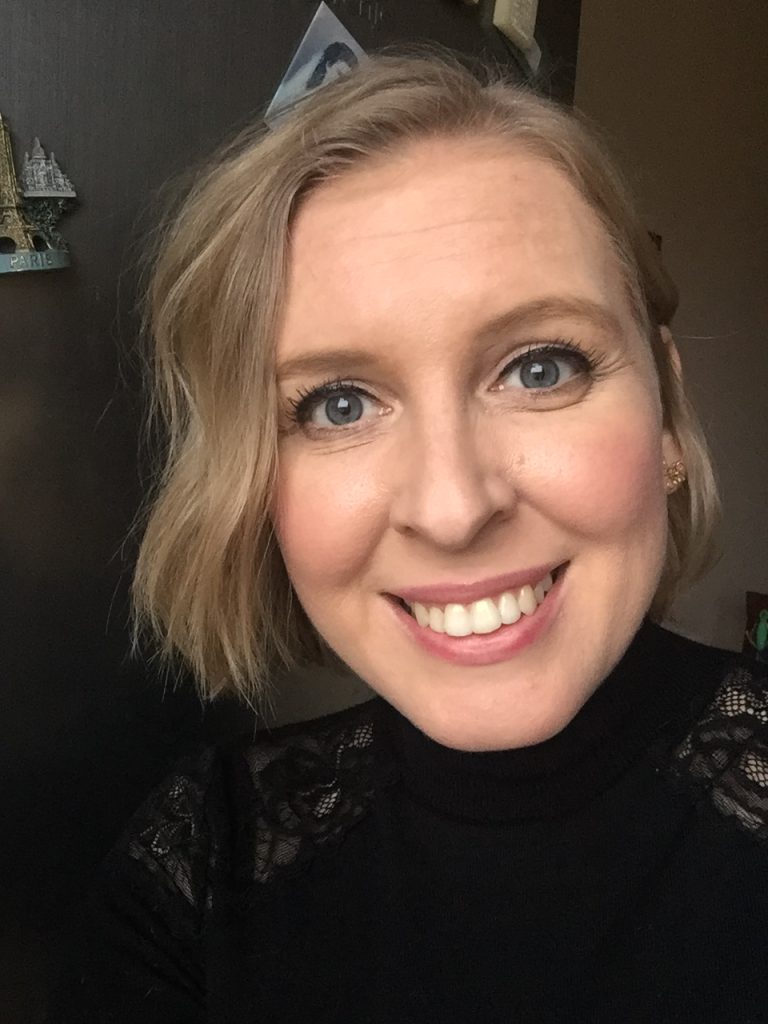

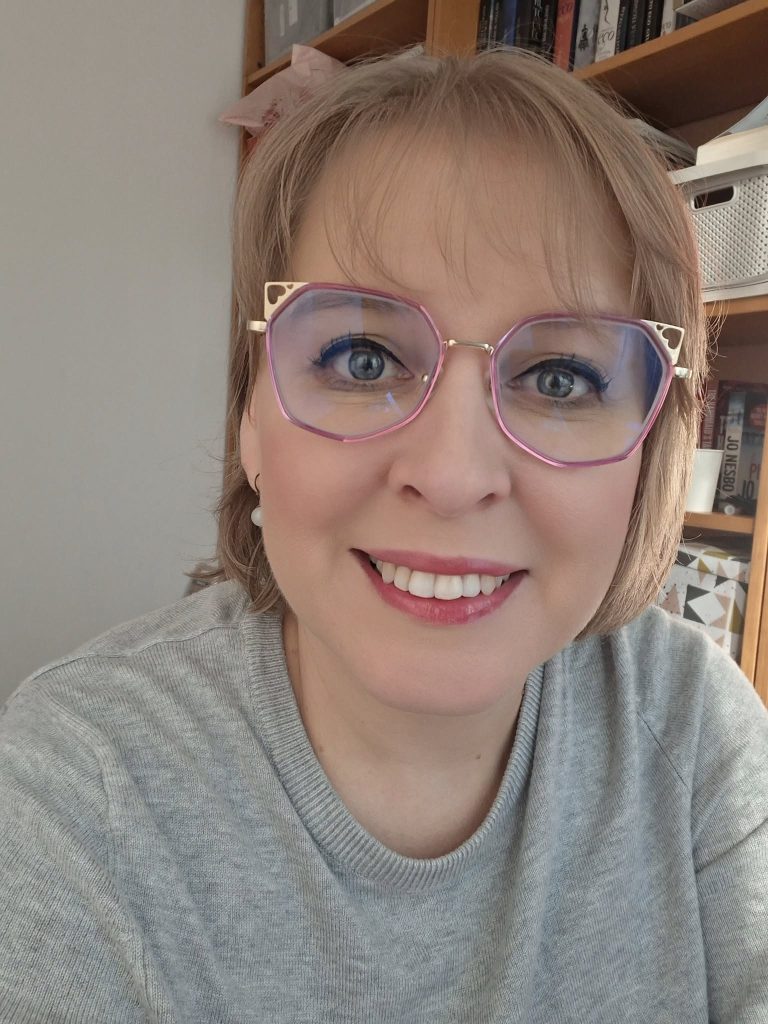
Yet, right before my 40th birthday, a profound emptiness settled into my chest. I looked into the mirror, and I didn’t recognise the woman looking back. I missed my edgy, unapologetic pixie. I missed the haircut that truly felt like me.
I realised that my short hair was the exact space where I experienced my purest femininity. It didn’t hide my face; it bared my soul to the world. It didn’t demand approval; it demanded self-respect.
For my 40th birthday, I took a dedicated day of freedom from work and marched to my hair salon. But the universe decided to test my resolve through the very hands of another woman. My female hairstylist at the time deeply disapproved of my lifestyle choices. While standing over me, she would frequently make passive-aggressive remarks about my single motherhood, digging into my private life by asking, “So, have you found a new daddy for your daughter yet?”
When I showed her the reference photo from my original pixie era, she flatly refused to cut it that short. It wasn’t out of professional incompetence; it was a deliberate act of ideological policing. She did not agree with my autonomy, and by withholding the haircut, she tried to exercise control over my identity, trying to force me to remain within the boundaries of a “respectable”, softened woman. I tried two more times at her salon, hitting the same wall of judgment and resistance every single time. She simply would not grant me my sovereignty.
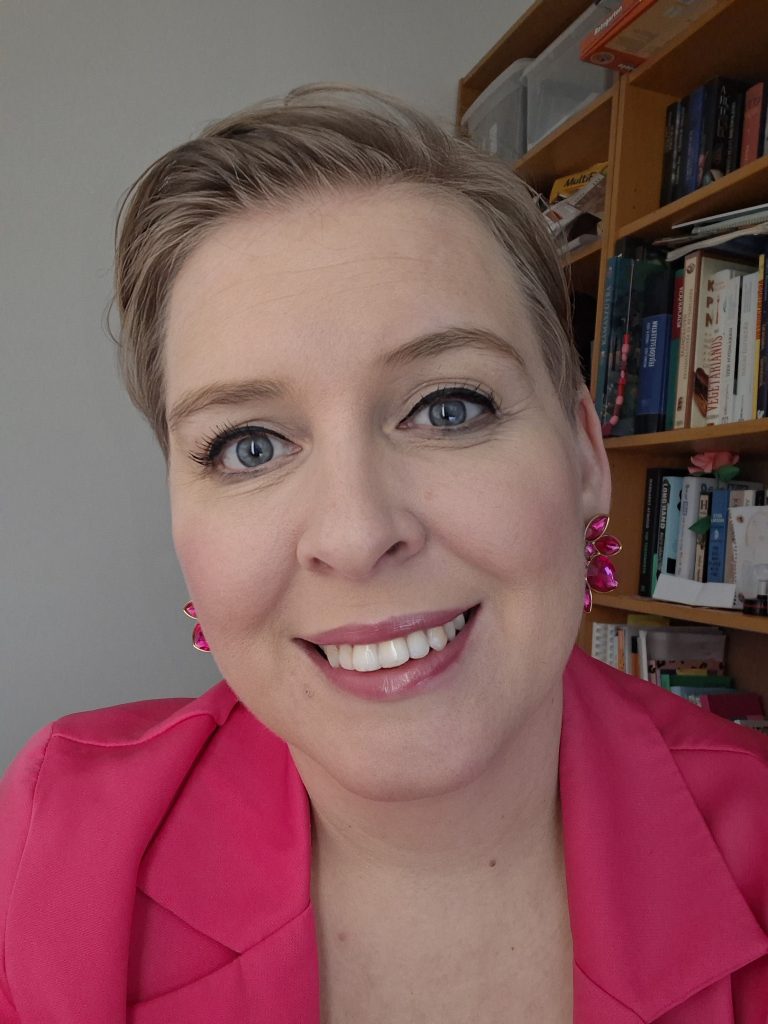
I promptly broke the contract and changed stylists. When I showed the reference photo to my new hairdresser, her face lit up with pure professional joy: “Finally! A woman who actually wants me to cut a proper short haircut!”
The scissors moved, and years of other people’s toxic scripts fell to the salon floor.
The Shockwave of Authenticity
Returning to my authentic pixie cut sent a massive shockwave through my social environment. People either fiercely loved it or aggressively hated it. There was no middle ground.
The majority of women absolutely adore it, because they recognise the psychological truth behind it: for a woman to cut her hair short in a world obsessed with male-gaze perfection and societal policing is a monumental symbol of courage. It is an act of radical self-acceptance without asking for permission.
My mother, true to her lifelong pattern of never being satisfied with what I do, dropped the bomb during a phone conversation: “No matter what clothes or jewellery you wear, you look exactly like a man.”
When I was 30, a comment like that would have sent me weeping into a corner. Today, at 40, as a sovereign life coach and an independent mother, I look in the mirror and smile. My short hair doesn’t make me less of a woman; it strips away the performance of femininity and leaves behind the raw, unyielding power of a queen. If my strength looks like a threat to the world, then I am happily wearing the right crown.


You May Also Like
Understanding and Surviving Summer Seasonal Affective Disorder (SAD)
How journalling helps my mental health